

Kindergarten Readiness
A critical predictor of a child’s academic trajectory and long-term success. It encompasses more than just academic knowledge, focusing on a child’s ability to navigate the social and behavioral demands of a formal classroom.

Regional Training Center Model
An evidenced based and data driven blueprint for raising the quality of early learning programs in the Align Region. Through the model, early childhood providers will be better equipped to address the learning needs of children and help families develop knowledge and skills to support their children. By providing peer training, one-on-one weekly consultation, technical assistance and materials for centers, a child has been equipped with the important skills to begin their educational journey ready from day one. (Click here to see the data from the 2024-25 school year.) Through this work, children have experienced exponential growth in baseline to endline scores. The most impressive being an increase of 31.5% in Math and 21% in Literacy. (click here to see all outcomes). This work is funded through Early Learning Indiana grants.
Quarterly Early Childhood Educators Training
Offered to provide training and support for those educating our youngest citizens. Topics are offered on a variety of subjects and led by qualified personnel. By providing this high-quality programming close to home, providers do not need to travel to further locations for required programming hours. Attendees are provided with a free meal and include a take-a-way for their classroom. These opportunities are funded through a grant from the Duke Energy Foundation.
Parent Engagement Night
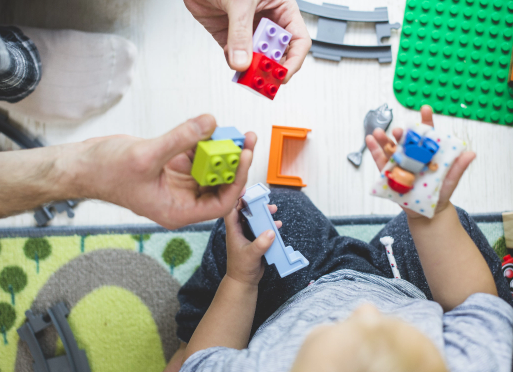
Offers parents an opportunity to learn how to become their child’s teacher at home. By visiting each center constructed, parents witness how to encourage learning though various activities at home. Each center is structured around an age-appropriate state standard; those standards are provided to parents along with an appropriate activity to build the specific skill at home.
Research shows a direct link between kindergarten preparedness and 3rd-grade reading proficiency. Students who start “ready” typically perform better on standardized tests in later grades and have higher high school graduation rates. Likewise, children with strong social-emotional skills are better at forming friendships, cooperating with peers, and resolving conflicts. These skills are linked to lower rates of behavioral issues and better employment outcomes in adulthood. High-quality early childhood education can reduce educational disparities between children from different income levels, helping those from disadvantaged backgrounds enter school on a more level playing field. Some studies suggest that every dollar invested in early childhood readiness pays off with a 7% to 13% return on investment due to higher adult wages and reduced dependency on public assistance.
Each Alignment Team focuses on age specific programming to enhance a student’s preparation for kindergarten.
PRE-K Ateam
“Camp kindergarten” (or kindergarten readiness camp) is a specialized transitional program designed to bridge the gap between preschool and formal elementary schooling. For many children, this serves as their first introduction to a structured school environment, making it a critical step for a successful academic start. These camps introduce children to the rhythm of a school day, including following schedules, navigating transitions between activities, and learning classroom expectations. This reduces “first-day jitters” and separation anxiety. Camp settings prioritize social-emotional learning (SEL). Children practice essential skills like sharing, taking turns, resolving conflicts, and communicating needs with adults other than their parents. While fun-focused, these programs often introduce foundational concepts such as literacy (letters, phonics), numeracy (numbers, counting), and fine motor skills (pre-writing, arts and crafts).
For children who have not attended formal daycare or preschool, these programs are particularly impactful. Research from the Portland Public Schools showed that intensive transition camps led to improved school attendance and faster growth in reading skills once the school year began.
Early Childhood Education ATeam
Introducing programming to 3-4 year olds is not about teaching them to write complex syntax, but about developing foundational skills during a critical window of brain development. At this age, children’s brains are highly plastic, making it the ideal time to integrate the logic and language structures used in coding.
This team focuses on the 3-4 year olds maturation and the students’ ability to be on track for kindergarten entry. Through supporting providers with training and parents with opportunities to become their child’s first teacher, these years are pivotal in the effort to have students ready for kindergarten.
Join Us in Making an Impact
Together, we can create sustainable solutions for a thriving Southern Indiana community.